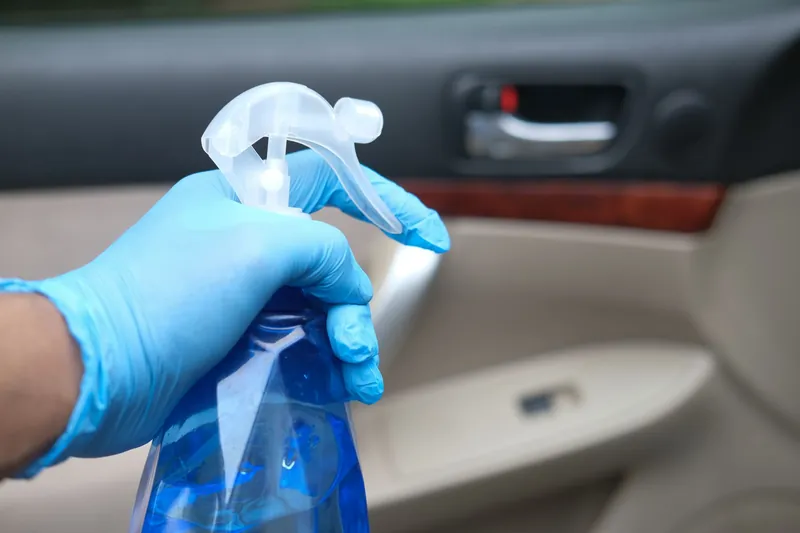
Police and Ambulance Vehicle Decontamination
Decontamination treats ambulances, law enforcement cars and transportation vehicles.
See police and ambulance vehicle decontaminationGet blood, bodily fluids, waste and odor removed from a car, truck, RV or boat in East Renton Highlands. Vehicle biohazard remediation reaches hidden contamination in seats, carpet, trim and the air system.
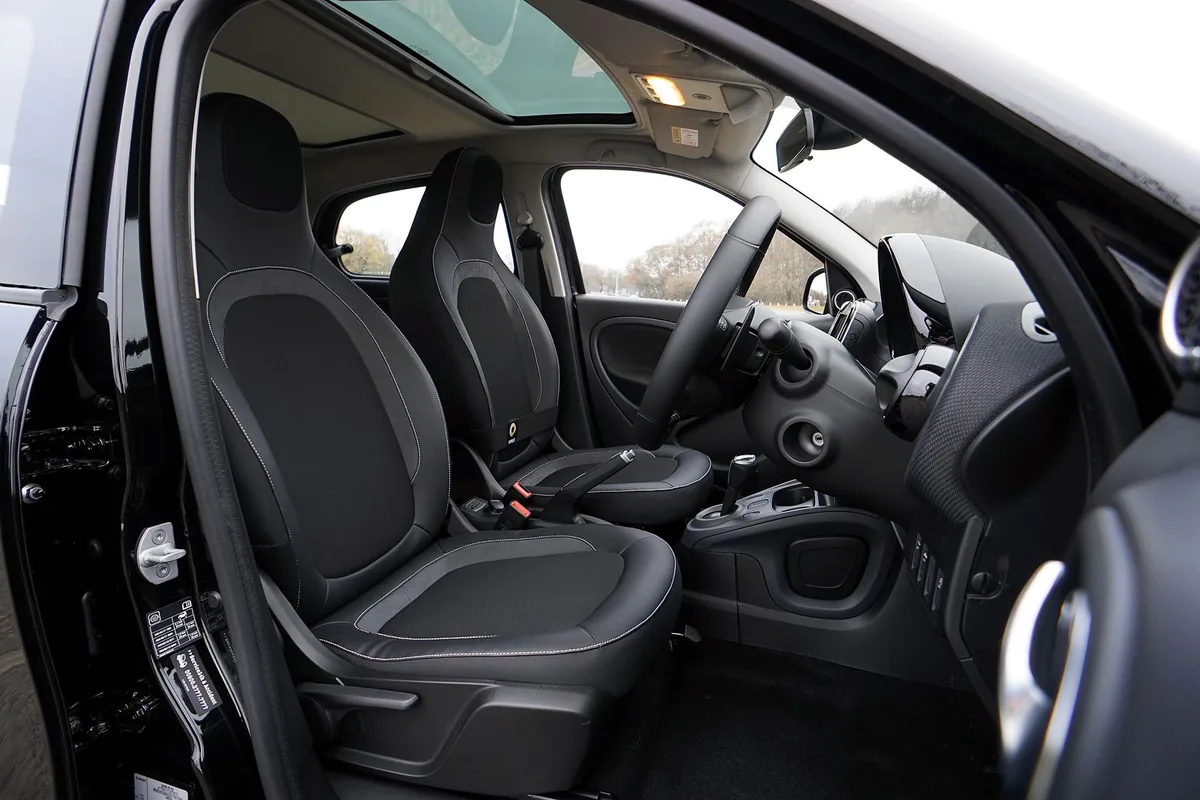
Vehicle biohazard cleanup carefully takes blood, human or animal waste, bodily fluids and other affected materials out of cars, trucks, boats, RVs and fleet units. Cleaning, disinfecting and odor treatment follow that removal.
Contamination can follow concealed paths inside the cabin. Liquid can move from the seat surface to its foam, beneath floor carpet, around clips for the trim and along spaces containing wires. Ventilation may carry odor through vents and to the cabin filter as well. Standard detailing improves appearance. Vehicle biohazard remediation looks beyond that goal by following the affected route and examining surrounding material.
A controlled assessment guides the use of protective equipment, detailed cleaning, hazardous waste disposal and removal of anything that cannot be fully disinfected. The label's complete contact time is observed by keeping an EPA-registered disinfectant wet. This process clarifies which vehicle components can remain and which affected interior materials must come out.
Calls receive an answer around the clock, while unmarked vehicles help crews arrive discreetly. A private conversation lets you share the situation and make your own decision about moving forward.
Photos, the cleanup scope and records of removed materials can be organized for your insurance company, fleet manager or property owner.
Learn about the vehicle inspection process before you select a cleanup company. You should hear what the inspection found, which parts may stay, which materials need removal and what changes the cost, so you can decide how to move forward.
You help decide how paperwork, equipment and personal items are separated. Being present in the car does not automatically make an item waste.
If affected material extends beyond one small, safely wipeable mark on a hard surface, a vehicle may need biohazard cleaning. Circumstances vary, but these common examples call for keeping the doors closed and arranging an inspection:
A seat, console, door panel, carpet or cargo space may be exposed to fluid during an injury, accident or medical event. Padding underneath may be affected even when little is visible.
Once law enforcement releases a crime-related or trauma-related vehicle, leave the contamination to a cleaning service so neither you nor your loved ones have to face the affected area.
Urine, feces or vomit from illness, incontinence or extended occupancy can enter seams and porous materials where normal car cleaning cannot reach.
A vehicle death may affect air quality along with seat foam, trim and floor coverings. Source removal comes before disinfection and odor removal.
Keep people from touching the affected area, and avoid spreading contamination around the cabin. Take the following precautions while waiting for cleanup technicians to inspect your vehicle:
Call (888) 440-9227Published pricing for vehicle biohazard cleanup runs from $500 to $5,000 per job. The interior materials, the severity of the event, the time that has passed and the air system all affect where yours lands. That is not a quote for your vehicle. Because the problem can sit beneath carpet or inside a seat, the price is set after an inspection.
The figures shown are national ranges from published cost guides and are not based on an on-site visit. After an on-site assessment, the price for your property is determined and shared with you before cleanup begins.
Ask about cost: (888) 440-9227Vehicle biohazard cleanup may be covered by auto insurance when your policy covers what caused the contamination. Requirements for records, policy coverage and deductible amounts vary. When possible, speak with the insurance company prior to authorizing cleanup.
Typically, the fleet manager or vehicle owner opens the claim and authorizes entry. Commercial policies may have different limits, exclusions and record requirements.
Keep the claim number, photos, cleanup scope, removed-material list and waste records. Before throwing away affected components, confirm whether the adjuster needs to examine them.
Tell the adjuster what happened without disturbing the vehicle. Find out whether the policy pays for towing, biohazard cleaning, affected interior removal and later restoration.
Washington's Crime Victims Compensation Program, run by the Department of Labor and Industries, does not pay for crime scene cleanup, so victims of violent crime should ask what it does cover. Insurance is usually checked first.
A controlled sequence keeps the vehicle biohazard remediation process from carrying contamination between cabin areas. The exact steps across the full process reflect the kind of event, the materials inside and how much time has passed since exposure.
Cleanup technicians examine seating seams, floors, visible air inlets and every interior storage or cargo space. Pictures show the vehicle's initial condition and support the cleanup scope.
The vehicle and work zone are kept separate from public access. Protective equipment includes gloves, suitable clothing, eye protection and other items chosen for the type of exposure.
Belongings are separated into items that appear unaffected, items that may be cleaned and contaminated materials that require your decision or disposal.
Removal applies only when contamination enters seat covers, foam, carpeting, padding, headliner or trim that cannot undergo complete disinfection.
Before disinfection with an EPA-registered product, workers clean each affected hard surface. For the entire contact time listed on the label, the surface is kept wet.
If contamination or odor could have reached the climate system, the inspection includes vents, air intakes and the cabin filter. The primary task is still source removal.
Removed material is packaged for disposal under the rules that apply to the waste. An insurer or fleet manager can use the cleanup records.
A final check of affected areas and surrounding areas helps ensure no contaminated matter is left behind. You learn what was cleaned, what was removed and what restoration services are still needed.
Phone any hour. You speak with a vehicle biohazard cleanup specialist who outlines the process and schedules a start time with you.
Blood, bodily fluids, waste and hidden sharp objects can create serious health risks inside the small, enclosed space of a vehicle.
Blood may carry HIV as well as hepatitis B and hepatitis C. According to the CDC, hepatitis B remains viable on surfaces for at least seven days, which means dry material still requires care.
Liquid follows seams downward. It may reach seat foam, carpet padding, floor channels and fasteners even when the visible surface looks dry.
A hot, enclosed cabin can concentrate unpleasant odor. Before source removal, vehicle heating or cooling can distribute odor through vents and into the cabin filter.
Can you clean it yourself? Wear gloves to treat several recent drops on a solid, non-absorbent area. Use an EPA-registered disinfectant and observe its complete labeled contact time. If a sharp item is present or fluid has penetrated a seam, upholstery, padding, carpet, roof lining or vent, do not enter and seek professional cleanup.
If each surface is reachable and can be both cleaned and disinfected, non-porous vehicle parts may be kept. A porous item may have to come out after contamination soaks beneath its surface.
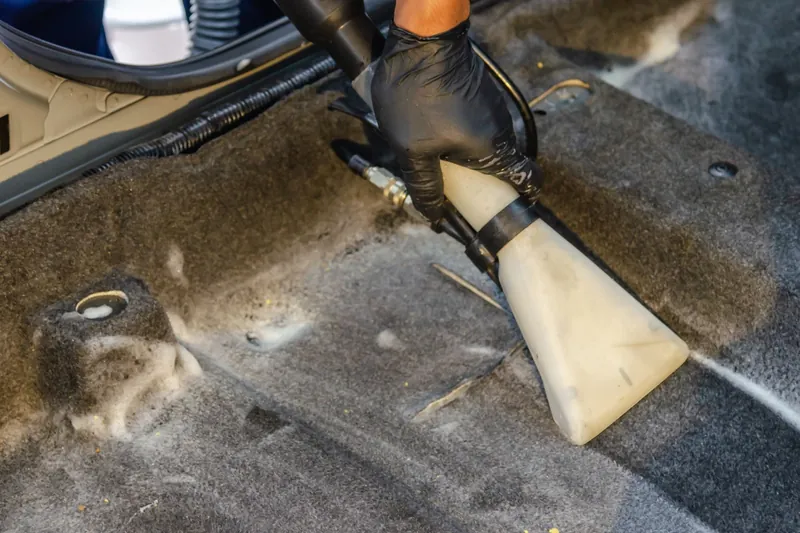
The OSHA Bloodborne Pathogens Standard, 29 CFR 1910.1030, requires workplace training, protective equipment and exposure-control measures where employees could contact blood.
Choose a product that is compatible with the surface and EPA-registered for the target pathogen. Keep it wet for every minute of contact time required by the product label.
Washington's biomedical waste law covers human blood and blood products. The Utilities and Transportation Commission oversees companies that haul it, and local health departments set handling rules, so it should not go in household trash.
Washington has no single statewide office. Most counties use an elected coroner, while some larger counties use an appointed medical examiner or coroner. Cleanup starts after police or the medical examiner or coroner release the scene.
The time needed for biohazard vehicle cleaning is set after inspection. A limited hard-surface cleanup takes less time than work that requires seat removal, carpet removal, vent inspection, repeated treatment or replacement parts.
The full vehicle biohazard cleanup guide covers what is cleaned or removed, odor and air quality work, and the rules that apply in King County and Washington.
Read the full vehicle biohazard cleanup guideContainment, entry and cleanup plans can be influenced by local housing, population and access details.
In an area with 9.4% renter occupancy, direct homeowner approval can simplify choices about opening walls or replacing affected finishes.
The 1974 median year matters during odor work because cabinets, wall cavities, and floor layers can hold the source.
A 12.2% share living alone still matters because delayed discovery can increase odor movement and the amount of affected material.
Because 94.1% of local housing is single-family, owners often can make direct decisions about removing affected structural materials.
Your phone conversation can include questions about service in nearby ZIP codes and communities.
Decontamination treats ambulances, law enforcement cars and transportation vehicles.
See police and ambulance vehicle decontamination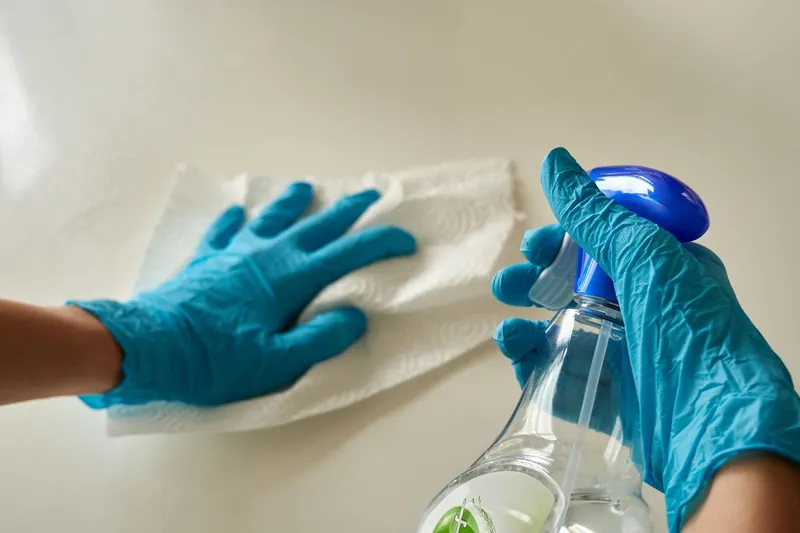
Blood cleanup clears blood from furniture, walls, hard floors and carpet, followed by safe disposal.
See blood cleanup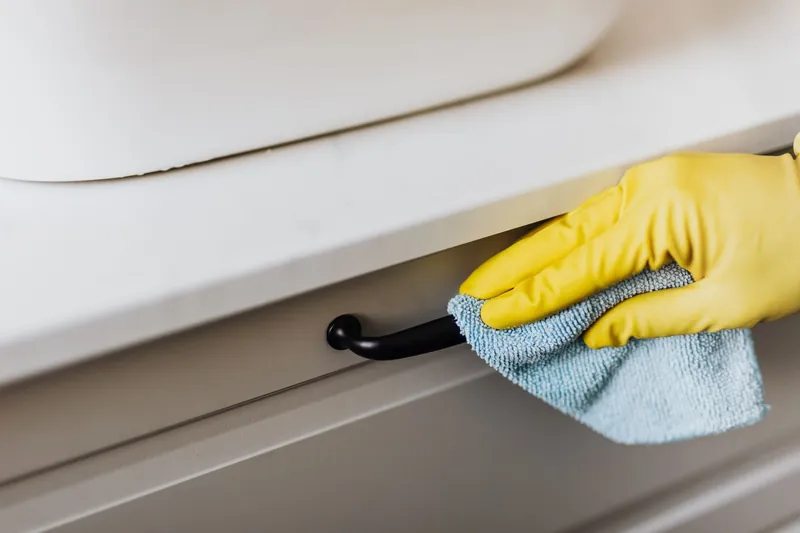
Bodily fluid cleanup and disinfection for homes, care settings and businesses.
See bodily fluid cleanup
Biohazards are cleaned from carpets and upholstery, or affected materials are removed safely when needed.
See biohazard carpet and upholstery cleaning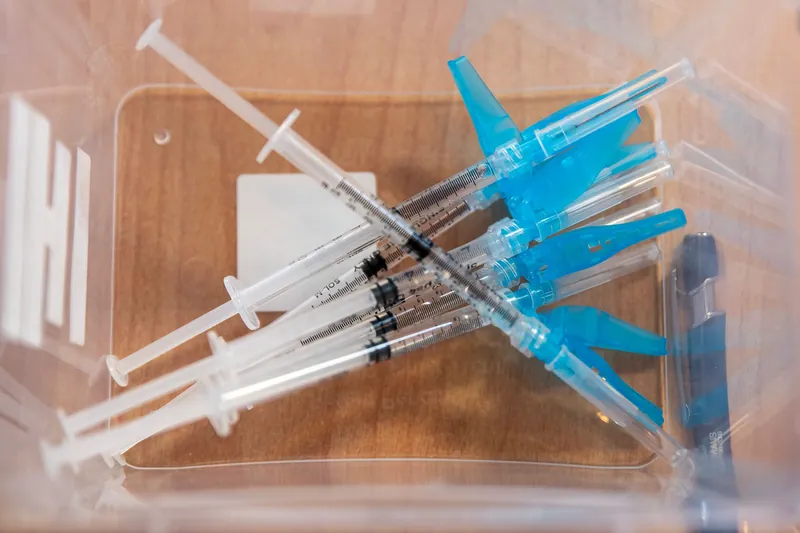
Needle and sharps cleanup for yards, rentals, parks and encampments.
See needle and sharps cleanup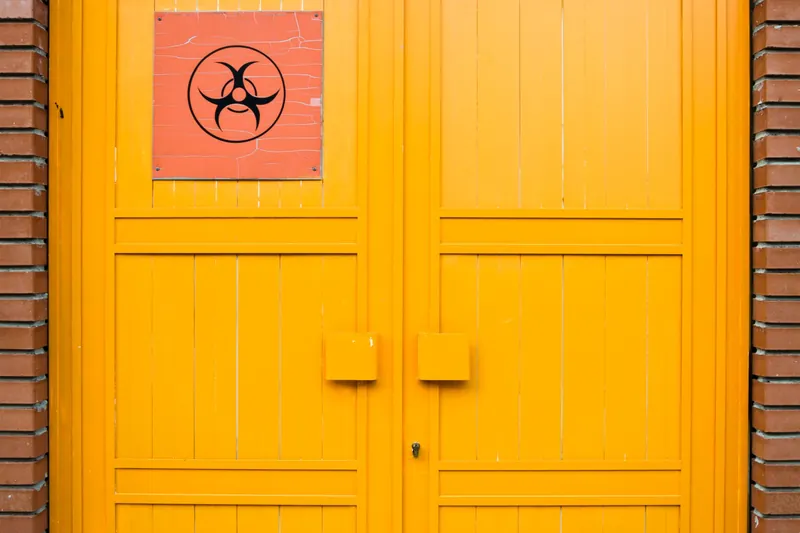
Trauma scene cleanup is needed after violent events, accidents and injuries.
See trauma scene cleanup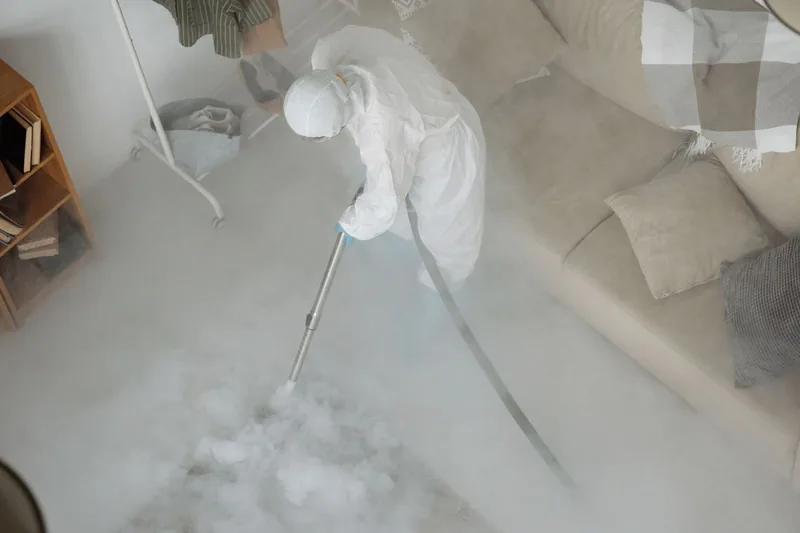
Complete decontamination treats the room, its surfaces and the air after a hazardous or infectious exposure.
See biohazard decontamination
Biohazard waste is collected in labeled, sealed containers and taken for disposal.
See biohazard waste disposalRoutine detailing cleans common dirt and stains for appearance. During biohazard remediation, workers consider hidden liquid routes, bloodborne pathogens, protective gear, hazardous waste and disinfectant contact time. When material penetrates foam, padding, insulation or air vents, surface fabric shampooing leaves deeper areas untreated. Ask if professional biohazard cleanup is included.
A safe outcome requires locating the entire affected area and successfully treating or taking out porous items that were contaminated. Get a clear record of cleaning and removal, including confirmation about inspection of vents or the cabin air filter. Prospective buyers should read the full record and think about getting an independent vehicle assessment.
The report generally shows that information about a vehicle's biohazard exposure reached a record source. You do not learn the specific incident, present condition or quality of cleaning from that notation. Before using or purchasing the vehicle, request incident information, cleaning documentation and a list of replaced parts from the owner or seller, then arrange an independent inspection.
Published costs are $500 to $5,000, as listed in BioCleaners Directory's Biohazard Cleanup Cost Guide (2026). Price depends on what the interior contains, how serious the event was, when it occurred and whether the air system needs decontamination. A view through an open door cannot reveal every affected area, including seat interiors and the space below floor covering.
Biohazard damage means blood, bodily fluids, waste or related contamination affected the vehicle. Damage may involve stains, odor and porous items that cannot remain safely, including soaked seat foam or carpet padding. This type of damage differs from normal soil. Chemical damage may be different as well and could call for its own hazmat assessment.
First, keep people out and inspect where the material traveled. During the cleaning process, workers sort personal property and remove porous parts beyond disinfection before cleaning hard materials and applying an EPA-registered disinfectant for its complete contact time. Vents, the cabin filter and anything causing odor are assessed prior to a final interior inspection.
Respectful, discreet vehicle biohazard cleanup is available 24 hours a day, and crews arrive in unmarked vehicles.